Why Modern Brands No Longer Feel Like “Brands” ?

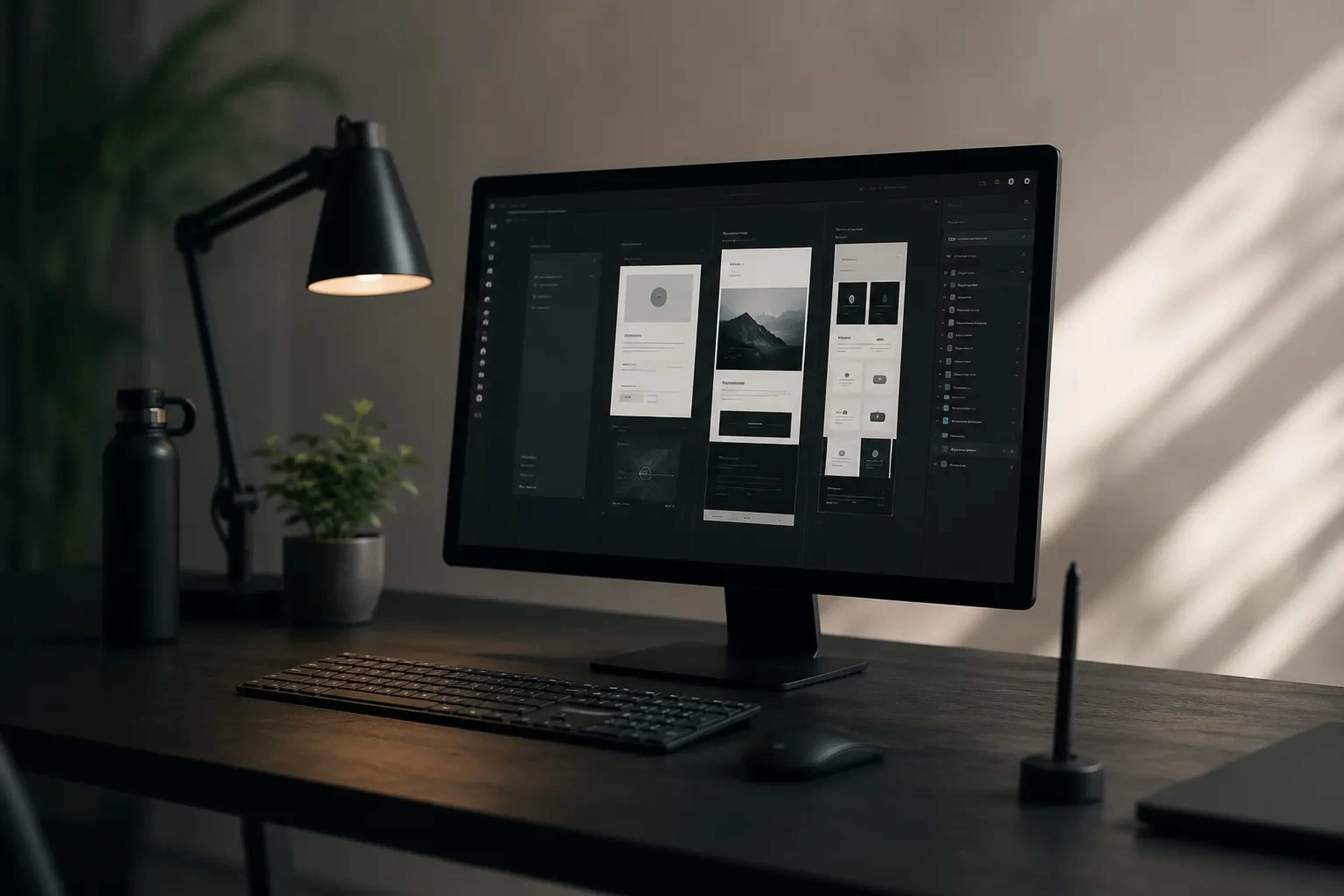
There was a time when branding mostly meant a logo, a color palette, and maybe a catchy slogan. But in 2026, branding feels completely different. The strongest brands today don’t just look good they feel consistent everywhere.
A user might first discover a brand through Instagram, later visit its website from mobile, watch short-form content, receive emails, or interact with its product dashboard. Every single touchpoint shapes the experience. If one part feels disconnected, the entire brand starts feeling weak.
That’s why modern design teams are no longer building isolated visuals. They are building systems.
Design Is No Longer Just Visual
Modern design is less about decoration and more about behavior. The way a website loads, the smoothness of transitions, the typography, spacing, animations — all of these details influence how premium a product feels.
Today, small interactions matter more than flashy visuals:
- Smooth transitions
- Micro animations
- Responsive typography
- Motion systems
- Clean layouts
- Real-time interactions
Users may forget the exact logo of a product, but they remember how the experience made them feel.
Why Motion Design Matters So Much
Static interfaces now feel outdated. Motion has become one of the biggest parts of modern digital identity because it helps products feel alive.
Brands use motion to:
- Guide user attention
- Improve storytelling
- Explain interactions naturally
- Add emotion to interfaces
- Increase perceived quality
This is why startups, AI platforms, and creator-focused brands are heavily investing in motion systems instead of traditional advertising styles.
Minimal Design Is Winning
Modern interfaces are becoming cleaner, sharper, and more intentional. But minimal design is not “less work.” In reality, it requires stronger design thinking.
A minimal interface depends on:
- Better hierarchy
- Better spacing
- Strong typography
- Faster performance
- Clear UX decisions
The goal is simple: reduce friction and make everything feel effortless.
AI Is Changing Creative Workflows
AI is also transforming how designers work. It helps teams generate ideas faster, explore concepts quickly, and speed up production workflows.
Designers now use AI for:
- Moodboards
- UI exploration
- Rapid ideation
- Animation concepts
- Content generation
But tools alone cannot create strong design direction. Taste, storytelling, and creative thinking still come from humans.
Final Thoughts
Modern brands are no longer just companies with logos. They are experience systems built across multiple platforms and interactions.
The future belongs to brands that can combine:
- Design
- Motion
- Storytelling
- Technology
- Community
Because in the end, people don’t remember interfaces that only look good. They remember experiences that feel good.